 Storytella

Visual Language and Shot Conventions: A Filmmaker's Guide
Discover the essential shot conventions every filmmaker should know. Learn how visual language communicates power, emotion, and narrative without a single word.
Visual Language and Shot Conventions
Introduction
Every film follows a set of established visual "laws" known as conventions. These aren't just habits; they are the shorthand filmmakers use to communicate complex ideas—like power dynamics, psychological states, or spatial relationships—without saying a single word. Drawing from The Filmmaker's Eye, this article breaks down the standard shot conventions that help you organize visual information and immerse your audience in the narrative logic of your film.
Conventions
Over-the-Shoulder Shot
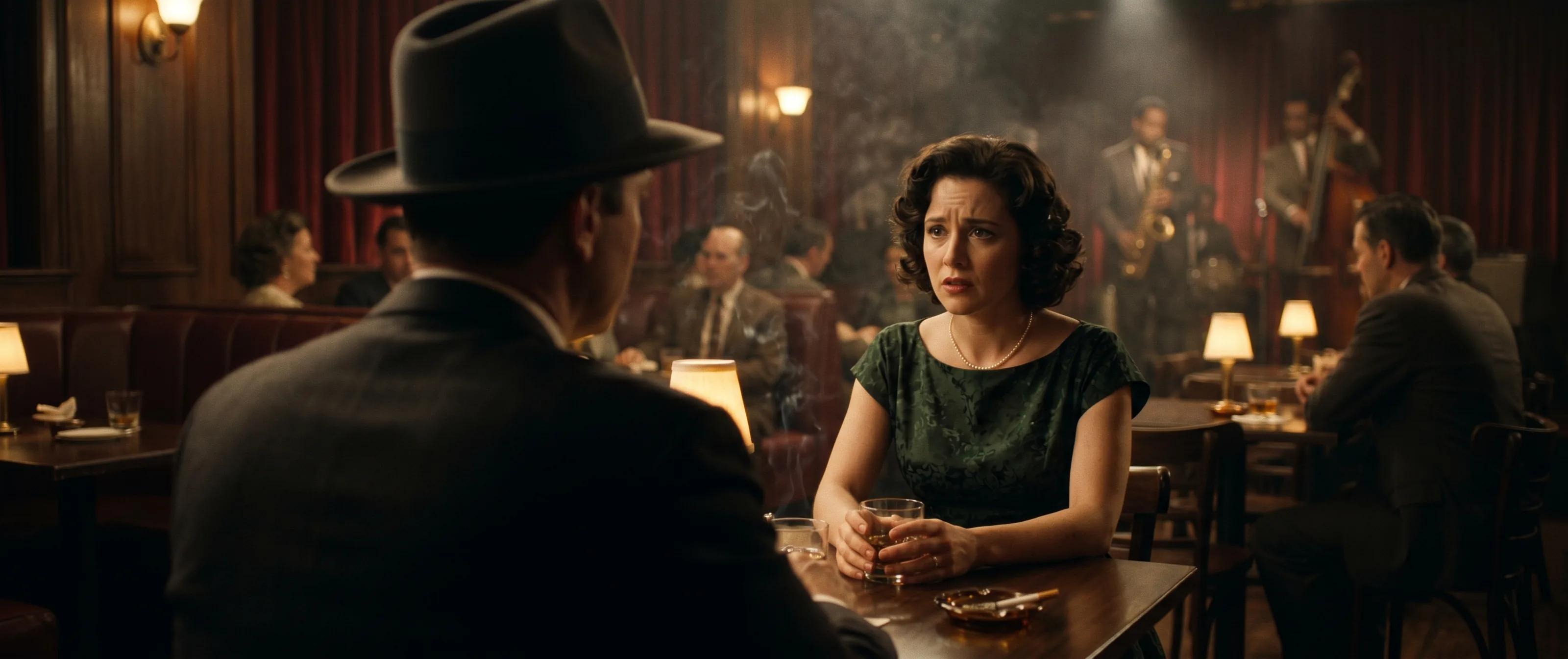
Shows the subject from behind another character's shoulder, commonly used in conversations to establish spatial relationships. This shot creates a sense of intimacy and perspective, allowing the audience to feel part of the dialogue and understand the connection between characters.
Establishing Shot

Usually a wide or extreme long shot that sets the scene's location and context before the action begins. Use this shot at the start of a scene to orient the audience, provide geographical context, and establish mood or atmosphere.
Subjective Shot
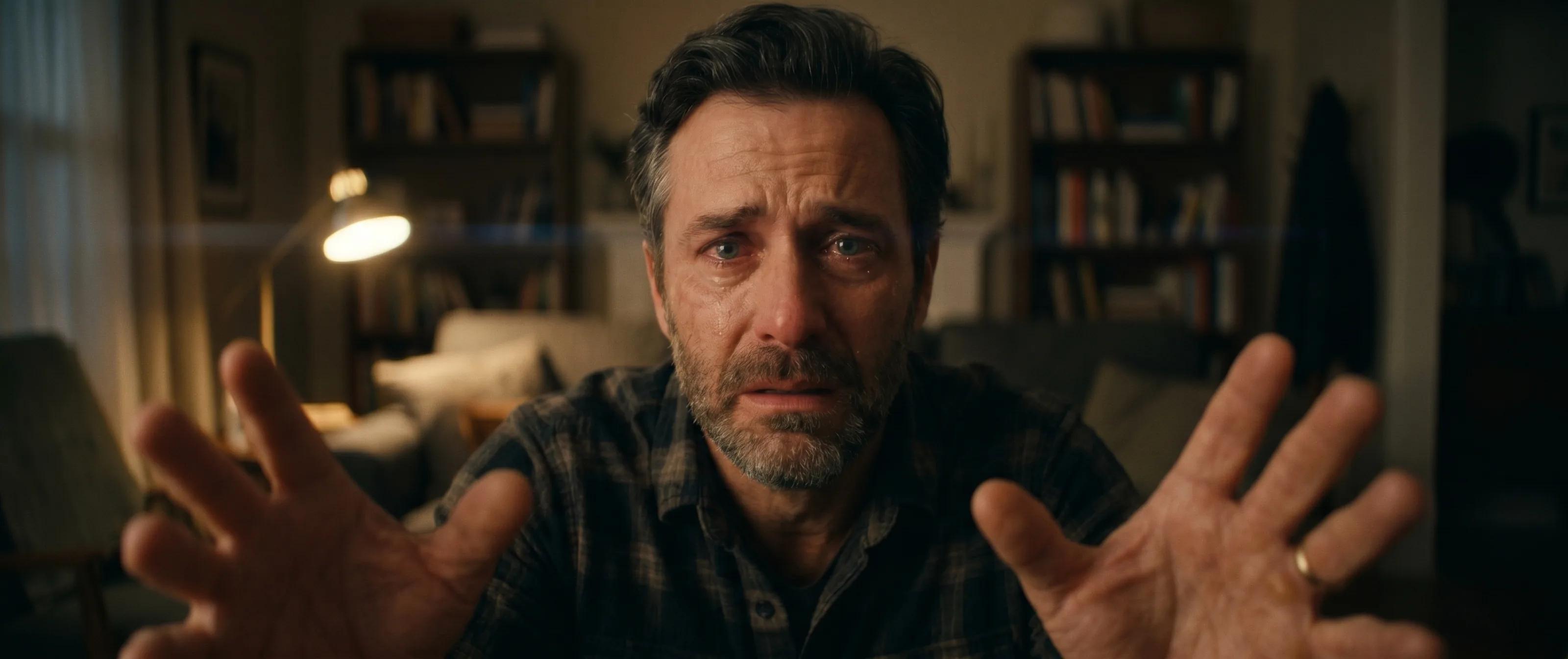
Shows the scene from a character's point of view, immersing the audience in their perspective. This shot is effective for creating empathy, revealing what a character sees, or conveying their emotional or psychological state.
Two Shot
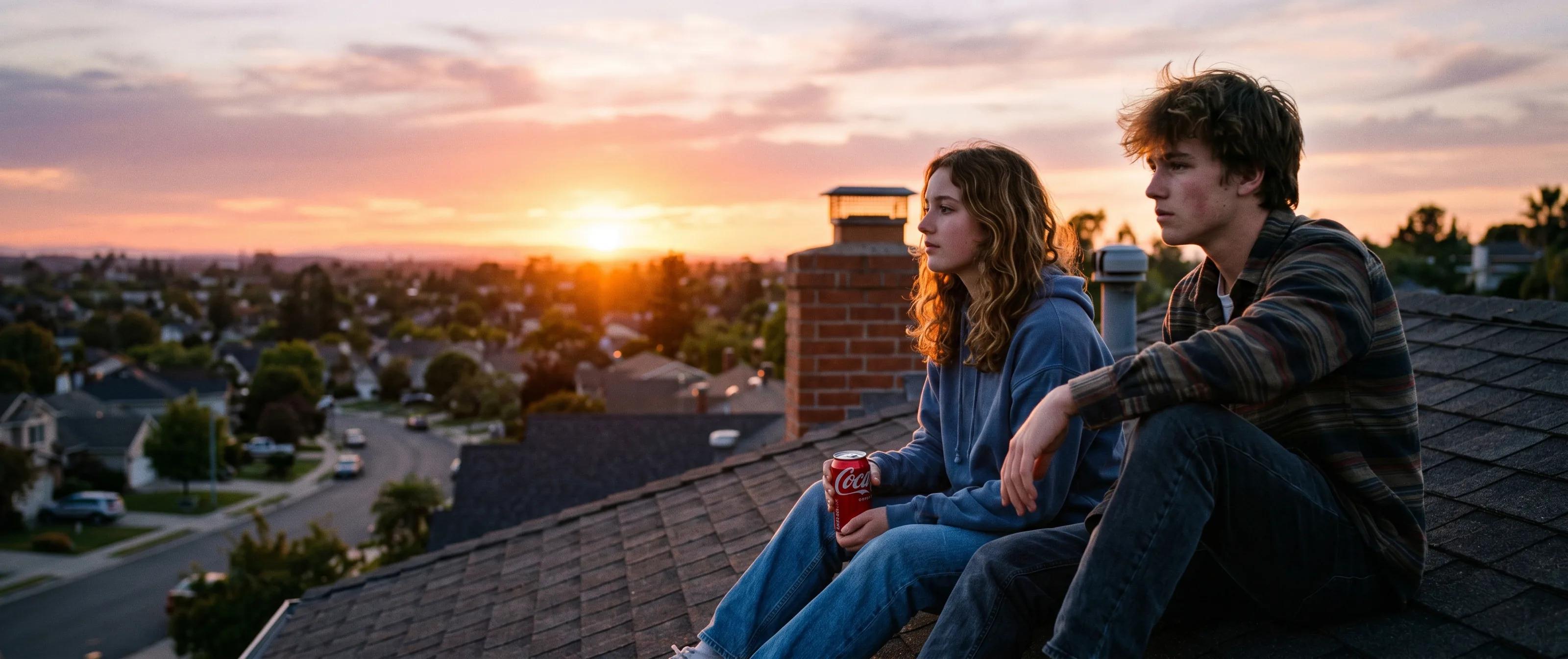
Frames two characters together, often used to show interaction or relationship. Use this shot to emphasize the connection, tension, or dynamic between two characters, especially in dialogue or shared moments.
Group Shot

Includes three or more characters in the frame, showing group dynamics or collective action. This shot is useful for scenes involving teamwork, conflict, or social interaction, highlighting relationships within the group.
Split-Screen Shot
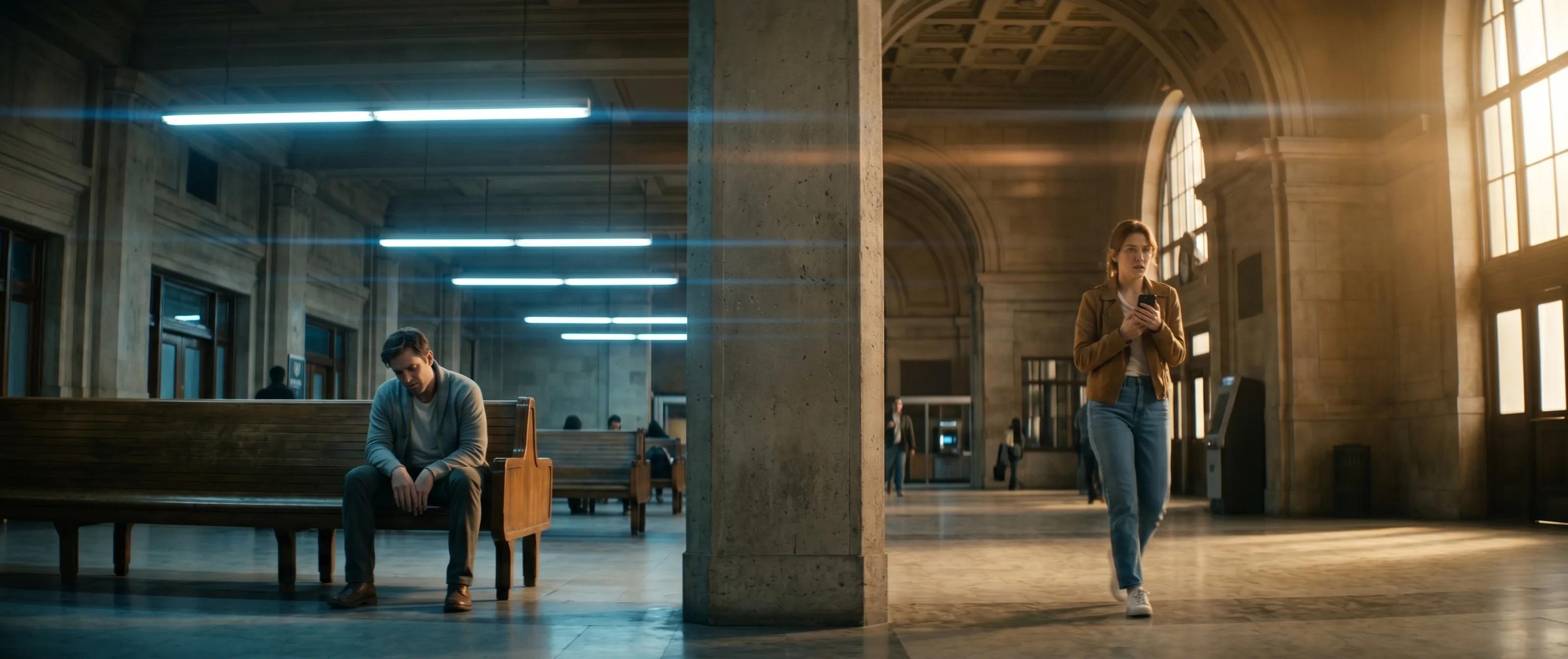
Divides the screen into sections to show simultaneous actions or perspectives. Use this technique to compare or contrast events happening at the same time, enhancing narrative complexity and visual interest.
Canted Shot (Dutch Angle)

A tilted frame that creates a sense of unease, tension, or disorientation. Employ this shot to visually represent psychological instability, confusion, or a world out of balance, often in thrillers or horror genres.
Overhead Shot

Shot from directly above the subject, offering a unique perspective and spatial awareness. Use this shot to show patterns, relationships, or vulnerability, often to provide an objective or detached viewpoint.
Inverted Shot

Flips the image upside down to create disorientation or highlight a dramatic shift. This shot is effective for signaling a change in reality, perspective, or emotional state, often used in experimental or psychological storytelling.
Emblematic Shot

Focuses on a symbolic object or element that represents a larger theme or idea. Use this shot to emphasize motifs, foreshadow events, or deepen thematic resonance within the narrative.
Abstract Shot

Uses shapes, colors, or textures to create a non-literal, artistic image that evokes mood or theme. Employ this shot to convey emotions or concepts visually, often in experimental or poetic sequences.
Macro Shot
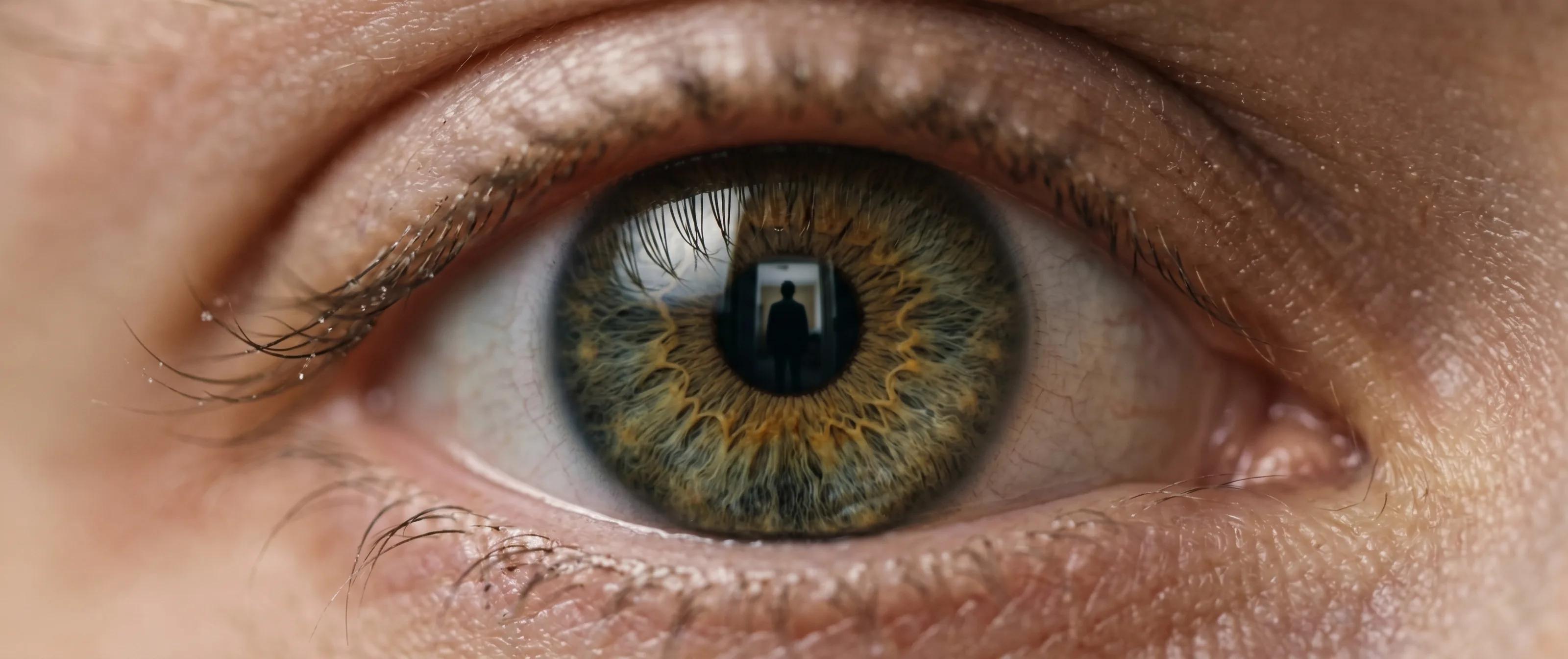
Extreme close-up of very small details, often used to reveal textures or intricate elements. Use this shot to draw attention to fine details that might otherwise go unnoticed, enhancing realism or symbolism.
Zoom Shot
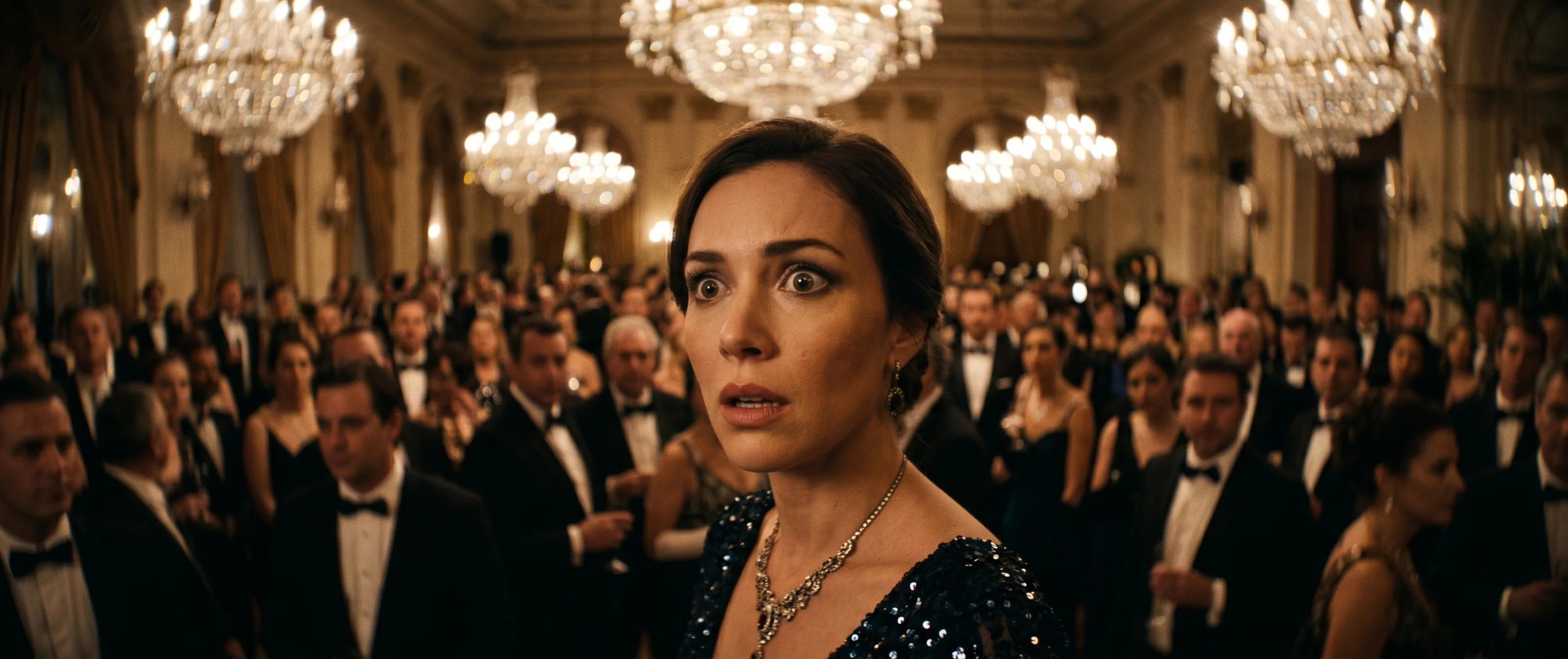
Changes the focal length to move closer or farther from the subject without moving the camera physically. Use zooms to shift focus dynamically, reveal details, or create dramatic effects such as tension or surprise.
Conclusion
Conventions are the building blocks of visual storytelling. They allow you to establish a "normal" for your audience so that when you finally decide to break a convention—like tilting the horizon with a Canted Shot—the impact is visceral. Mastering these setups gives you the authority to guide your audience through even the most complex narratives. Tools like Storytella are built to help you navigate these conventions effortlessly, letting you focus on the creative heartbeat of your story. Use these rules as your guide, then find your own unique way to speak through the lens.
Your story awaits
The set is ready for you.
Turn your screenplay into stunning storyboards and animatics in minutes — not months. No drawing skills required.
Free to start · No credit card required · Cancel anytime